Holding Space While Living Through Harm: Therapist Burnout and Moral Injury
So are you feeling it? The world on fire and we are getting burned. And it isn‘t because we have suddenly forgotten how to set boundaries, practice self care, or manage our time.
I don't know about you, but when I wake up the morning and before I reach for my phone and I open up my newsfeed, I think of what fresh WTF are we in for today.
Many of us begin our mornings scrolling past headlines and live videos depicting injustice and harm, in real time with little reprieve in between reels and on scene footage of assaults, injustices, and death. Clinicians move from that into the therapy room where we bear witness, hold space and try to make meaning out of what seems meaningless while we carry the same fears, losses, and uncertainties as our clients.
We do all of this while metabolizing our own stress and experiences and are expected to regulate, contain distress and provide stability for others.
The myth is that we should be neutral containers. That if we’re impacted by this work, we’re less competent. But even among the most stoic psychodynamic therapists, this is not a part of biological reality.
Practicing & living through Covid changed how we approach burnout and clinician care. And here we are again, same but different. With Covid, we were dealing with a global pandemic and witnessing oppression in real time- supporting clients with BLM, overturning of Roe v Wade in the US, and # MeToo.
Now, collectively, we are still experiencing widespread illness, system sanctioned racism, climate emergencies displacing communities. erosion of women’s rights, and we are learning more about unthinkable violence against children perpetuated on a global scale by people in the highest positions of power. Our day to day lives are embedded in this dual exposure and research increasingly demonstrates that burnout increases in direct proportion to collective trauma.
It is clear that burnout isn’t just about too many sessions, boundaries, or about work-life balance. It plays a role, but it is not the driving force.
Moral Injury: The Ethical Wound Beneath Exhaustion
Several years ago, I was getting progressively closer to the edge of burnout for months and eventually teetered over it. I was exhausted, mentally empty, and deeply ashamed. I was in a culture that preached wellness, but held burnout in contempt and I felt something was wrong with me as a human being. So I did all the things, moved to private practice, re-started yoga, quit drinking, made green smoothies, meditated and even took up furniture refinishing; albeit not well…but still, I did it.
I was starting to feel better, but it wasn’t until I took inventory of the last few years personally and professionally and saw where burnout language didn’t quite cut it. Part of what I was going through was better explained by something else.
Moral injury is a lasting emotional and moral wound that happens when clinicians are forced to act against deeply held values, witness harm they cannot prevent, or experience betrayal by systems in high-stakes situations, often leading to guilt, shame, withdrawal, numbness, and disillusionment.
It is an ethical injury.
A recent North American meta-analysis reported that up to forty percent of healthcare workers during COVID were experiencing moral injury, not just burnout, and the biggest drivers weren’t personal coping skills, they were system conditions like lack of support, short staffing, and loss of agency (read about it here).
I’ll say that again.
Forty percent.
Now, since COVID, more and more of us are working with:
People who are falling through the cracks
Less control over our workload- the caseload may stay the same, but the complexity and acuity increase
Witnessing injustice in real time
It feels like
Guilt because we think we are doing something wrong
Anger because of what can be prevented but isn't
Hopelessness that nothing will change
Disillusionment with systems
Withdrawal from work, your relationships, your life
When we treat ethical harm like a stress management issue, we unintentionally turn systemic injury into personal failure and shame skyrockets, which in turn increases the likelihood of burnout.
In reality, moral injury increases when clinicians face prolonged short-staffing, lose control over decisions about clinical care, and are forced into ethically painful decisions where there are no good choices, so we choose that one that isn't as harmful as the other options.
You cannot self-care your way out of broken systems.
The Nervous System Under Sustained Threat
Think of your mental, physical and emotional energy as currency and moral injury as inflation. When your threat system is online and activated, regulation and attunement cost more leaving us in debt. Being in an energy deficit means existing tasks take more energy and this is compounded when there is less space between crises.
You may be able to function. But everything feels heavier.
Being in a state of prolonged stress leads to irritability, sleep disruption, brain fog, emotional numbing, withdrawal, and loss of joy. Secondary traumatic stress (aka vicarious trauma) adds another layer.
Clinicians, what is the one necessary element for developing post traumatic stress? It is not poor boundaries it is… Exposure.
This is true for secondary traumatic stress, and the only way to reduce furher harm is to reduce exposure. Being impacted by vicarious trauma looks very much like PTSD symptoms of hypervigilance, exhaustion, avoidance, and intrusive thoughts. When clinicians hold trauma while living inside crisis themselves, exhaustion is biological and predictable (read more here).
Your body is doing exactly what it was designed to do.
Burnout as a Function of Power and Context
Holding space is not culturally neutral.
During crises, who are the ones that are expected to endure quietly, keep giving, and be the calm in the room fall along lines of gender, race, class, immigration status, and institutional power.
Research shows clinicians with less autonomy and fewer resources experience significantly higher burnout rates. Women, clinicians living with a disability, people of the global majority, 2SLGBTQ+ clinicians, and other clinicians who are systemically marginalized carry disproportionate emotional labor inside systems that don’t protect them.
Burnout doesn’t happen in a vacuum. It follows power lines.
This is visible now with staffing shortages, unequal resources, and widening gaps between private practice and under-resourced settings.
Trauma-informed care must include safety, power, and context. Otherwise, we teach regulation while leaving people in environments that constantly activate their nervous systems.
We are giving people whose houses are burning down a bucket of water in one hand and lighter fluid in the other. And then blaming bodies for getting burned.
We have to examine our own proximity to power and ask:
Which bodies are shielded from risk? Which aren’t?
Who has agency and who doesn’t?
Who gets ethical support and who gets silence?
Trauma-informed care must integrate systemic safety, agency, and contextual realities, not solely individual regulation techniques.
Sustainable Recovery
Recovery has to happen at three levels.
Values.
Health- physical, mental, emotional and spiritual
Practice design
First, repair the moral wound by naming the value violated:
Dignity
Safety
Justice
Access to care
Integrity
Second, restore agency in small ways:
Set limits
Decline misaligned demands
Consult
Advocate
Lean into community; Isolation intensifies moral injury, connection repairs it
Third, protect your nervous system:
Grounding practices between sessions
Limiting media where your feed is at the mercy of an algorithm you didn’t choose
Tending to yourself in a way that fits your body and culture
And finally, redesign practice:
Caseload caps
Protected admin time
Clear policies
Ethical workload limits; Instead of “better boundaries,” think ethical limits that protect care quality
If you’re experiencing something that feels like burnout, what is it asking you to protect, change, or heal?
I offer more reflection questions, tools, and strategies in the ReLit Practice™ newsletter. Be sure to subscribe to join the conversation on burnout recovery, moral injury, nervous system healing, and sustainable clinical practice.
https://www.relitpractice.com/newsletter
Thank you for the work you do, and for taking time to care for yourself too.
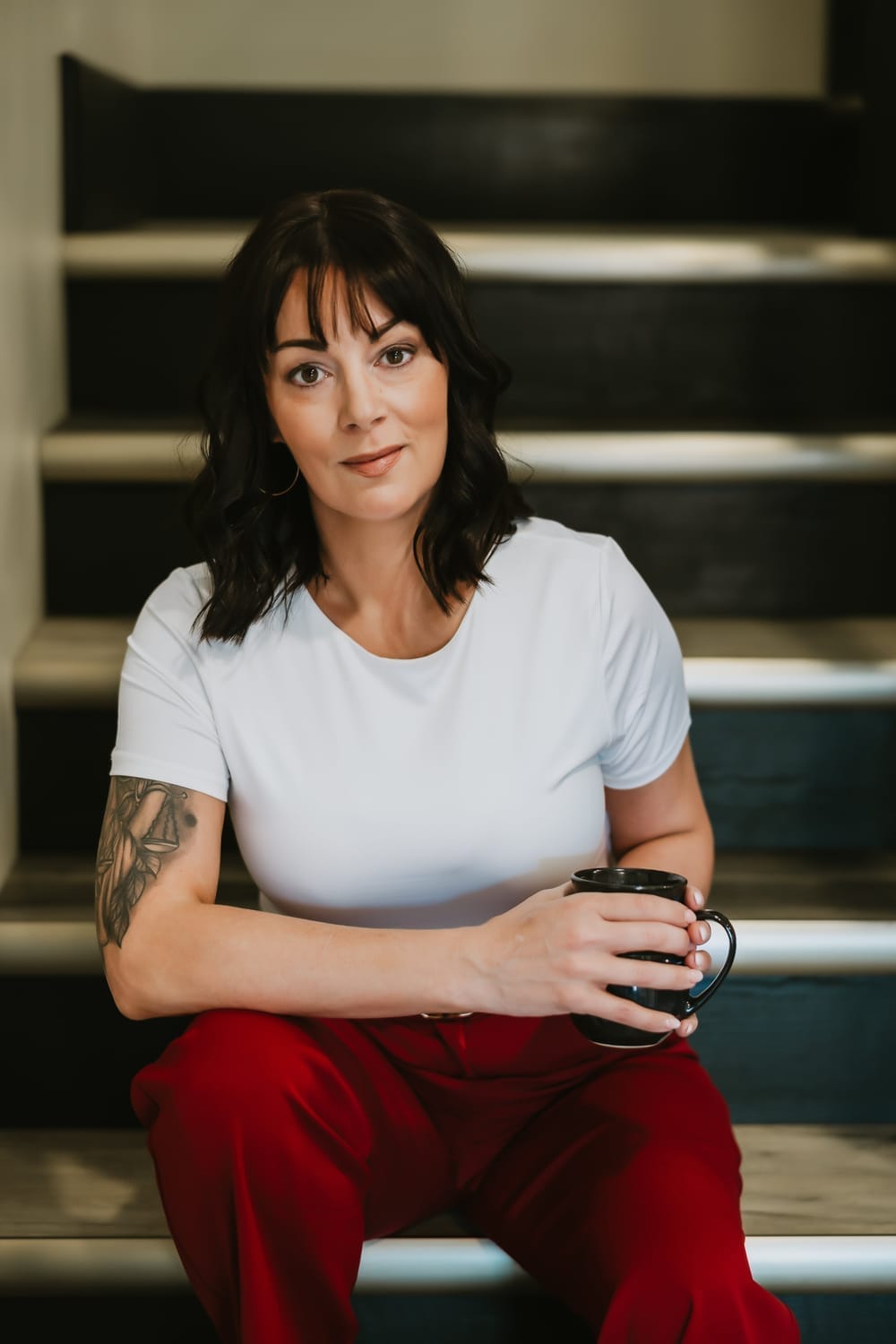
I'm Stacey....
I can't live without my morning coffee and afternoon diet Coke. I've been known to drop a well timed F bomb and fall asleep during movies (or so my kids tell me!). I love yoga and trash TV the same.
And I believe, I KNOW, that
your wellbeing matters as much as your clients' healing.
Burnout recovery doesn't require you to lower your clinical standards or step back from the work you were called to do.
It requires rebuilding the way you work so that clinical excellence and your own sustainability stop being in opposition.
That's the work ReLit is here to support.



JOIN MY MAILING LIST



© 2026 ReLit Practice